Background on Creative PEGWorks website - leading PEG supplier.

Blogs

PEGylation Evolution

Read more

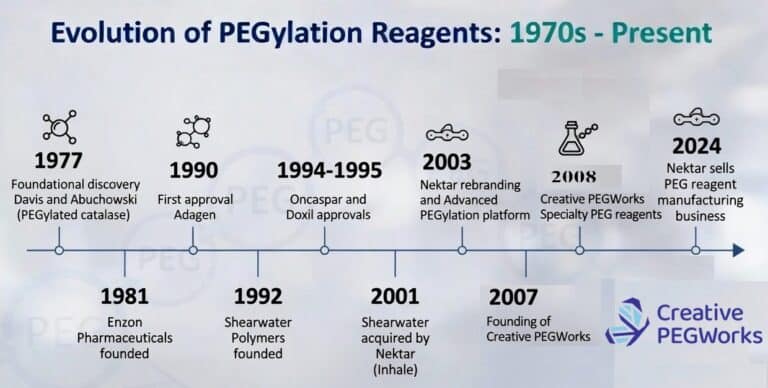
The Historical Evolution of PEGylation: From Early Concepts to Clinical Validation to Advanced Platform for Biopharmaceuticals

PEGylation, the covalent attachment of polyethylene glycol (PEG) chains to therapeutic molecules, has evolved from a laboratory innovation in the 1970s into a mature, commercially validated technology essential to modern biopharmaceuticals. Its development reflects progressive improvements in polymer chemistry, conjugation techniques, and manufacturing scale-up.

Pegfilgrastim V16B19 large

Read more

pegfilgrastim case study for 7 biosimilars – PEGylation is a mature and versatile platform for improving biopharmaceutical performance

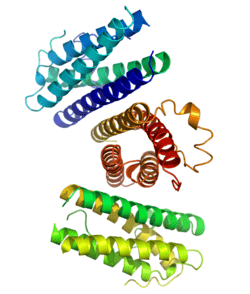
Food and Drug Administration (FDA) has approved seven biosimilars for pegfilgrastim, the active ingredient in the reference product Neulasta (developed by Amgen). Pegfilgrastim is a PEGylated form of granulocyte colony-stimulating factor used to reduce the risk of febrile neutropenia in patients undergoing myelosuppressive chemotherapy.

PEG extended vs coiled 2

Read more

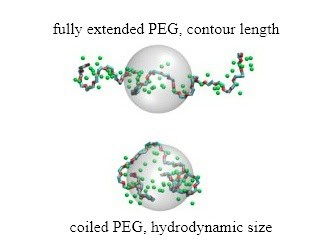
Calculating the Contour Length and Hydrodynamic Radius of Polyethylene Glycol in Aqueous Solutions

This post outlines the fundamental methods for calculating the contour length—the maximum extended chain dimension—and the hydrodynamic radius, which characterizes the effective size of the solvated coil. These calculations rely on established polymer physics and empirical relations from experimental data.

Bifunctional Multi-Arm PEG Products

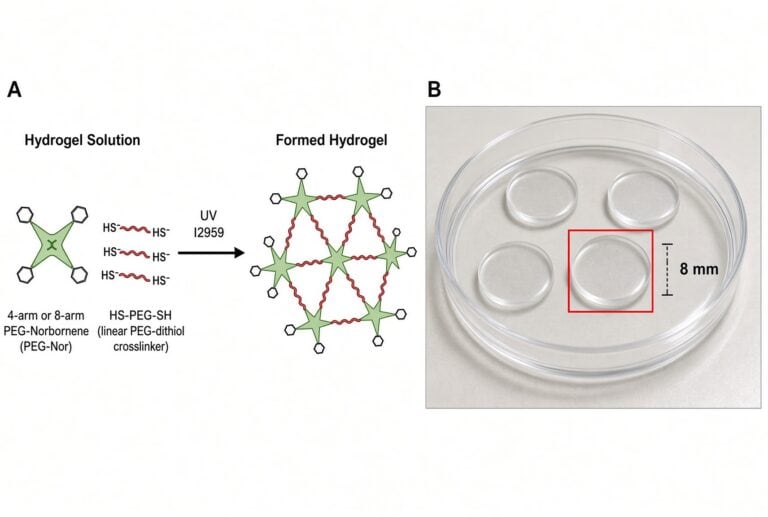
Our Multi-Arm PEG Products 4-Arm PEG-X/Y Bifunctional 4-Arm PEG reagents have two functional groups X/Y with 1:3 ratio or 2:2 ratio. We started offering this series of special reagents as customs synthesis with the following combinations. We are also listing some of these reagents as regular catalog products that are ready to ship overnight. We […]

Is Your Maleimide Thiol Chemistry Stable?

The typical PEG-maleimide-thiol reaction results in thiosuccinimide formation which is reversible, with PEG-maleimide elimination occurring slowly under biologically relevant conditions. The reversed reaction leads to the breakage of the maleimide-thiol linkage and the loss of PEG from the thiol/cysteine-containing molecules. If the maleimide-thiol chemistry does not work for your application, you may consider alternatives with […]